Source Full Face Snorkel Mask and Swimming Fins Set for Diving, Triathlon, and Training
Explore 30 listings for the full face snorkel mask and swimming fins set, featuring adjustable nose pads, anti-fog lenses, and waterproof designs. Buyers can compare models suitable for diving, triathlon, and leisure training with customizable options.
Key considerations
Products List


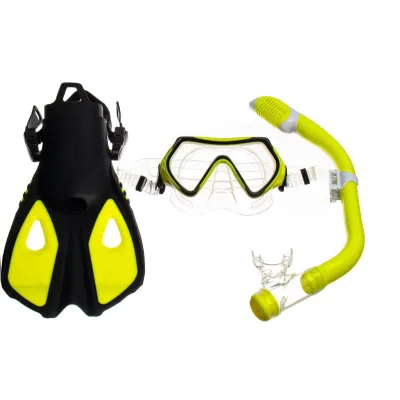
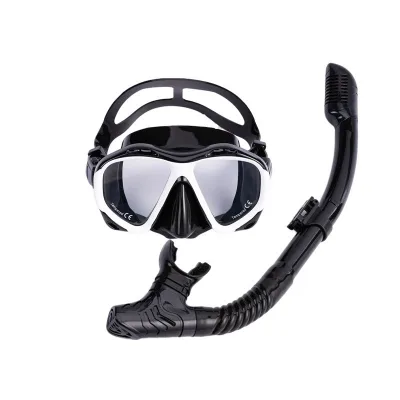
Comprehensive Sourcing Guide
Strategic Sourcing Guide for Full Face Snorkel Masks and Swimming Fins Sets
The global market for aquatic sports equipment has seen a surge in demand for integrated gear sets, particularly those combining full-face snorkel masks with swimming fins. For B2B procurement professionals, sourcing these items requires a nuanced understanding of product specifications, regulatory compliance, and supply chain logistics. The available data indicates a diverse range of offerings, from specialized training equipment to leisure gear, with varying material compositions and functional attributes. This guide provides a structured approach to evaluating suppliers and products, ensuring that procurement decisions are grounded in verified facts rather than unconfirmed marketing claims.
Technical Specifications and Material Composition
When evaluating full-face snorkel masks and swimming fins, the primary technical differentiator lies in the material composition and design architecture. The supplied product data reveals a distinct split in materials used for frame and lens construction. For masks, the frame material is frequently identified as PC (Polycarbonate), a durable plastic known for its impact resistance. The lens material is often specified as Acid Ester (PC) or simply PC Mirror, indicating a focus on optical clarity and scratch resistance. In contrast, the fins and associated components, such as nose pads, are frequently constructed from Silicone or general Plastic. This material distinction is critical for durability and comfort; silicone offers superior flexibility and skin compatibility for masks, while the plastic components in fins provide the necessary structural rigidity for propulsion.
The design of the lens is another vital specification. Data points to "Single Lens" and "PC Mirror" configurations, which are standard for full-face designs to provide a wide field of view. The shape of the frame is predominantly described as "Ellipse" or "Oval," which aligns with ergonomic standards for facial fit. Furthermore, the presence of "Adjustable" nose pads suggests a focus on customizing the seal to prevent water leakage, a common failure point in snorkeling gear. The product weight varies significantly across the catalog, with specific entries noting weights of 165g for masks and 0.83 Kg for larger sets, indicating that buyers must verify the weight specifications for their specific target market, as heavier gear may be preferred for professional training while lighter gear suits leisure use.
Compliance, Certification, and Safety Standards
Navigating the regulatory landscape is paramount when importing aquatic gear. The supplied facts highlight several key certifications that serve as indicators of quality and safety compliance. Products are frequently listed with "FDA" certification, which is essential for items that come into direct contact with the human body, particularly in the mouth and nose areas. Additionally, "CE" and "ISOCCC" certifications are observed, suggesting adherence to European safety standards and international quality management systems. These certifications are not merely marketing terms; they are mandatory for selling in many international markets.
However, buyers must exercise caution regarding the scope of these certifications. The data lists "Certification: FDA" alongside "Certification: CE,ISOCCC," but does not explicitly link every product to every standard. It is the buyer's responsibility to verify that the specific batch of masks and fins being procured holds the necessary documentation for the destination country. For instance, while the "Standard" field mentions "54cm-63cm" and "Customizable," these likely refer to sizing or model numbers rather than safety standards. Buyers should request physical copies of the CE and FDA certificates and verify the validity dates. Furthermore, the "Functional" attribute lists "Waterproof and Fogproof Features," which are performance claims that should be validated against recognized industry test methods, such as ISO standards for optical clarity and water resistance, rather than relying solely on supplier assertions.
Cost Drivers and Pricing Dynamics
The pricing structure for full-face snorkel masks and swimming fins sets is influenced by several variables, including material quality, customization levels, and certification status. The observed price range in the market spans from $1.2 to $49.9 USD, a wide spectrum that reflects the diversity of product tiers. The lower end of this range likely corresponds to basic plastic construction with minimal customization, while the higher end may involve premium silicone components, advanced anti-fog technologies, and full certification suites.
The Minimum Order Quantity (MOQ) is another significant cost driver, with observed ranges from 1 to 1000 units. Suppliers offering an MOQ of 1 are typically suited for sampling or small-scale testing, whereas those requiring 1000 units are geared toward bulk manufacturing. The "Customization" attribute is listed as "Available" and "Customizable," which often incurs additional costs. Custom logos, specific color schemes (such as Grey, Yellow, Light Green, or Blue), and tailored packaging (e.g., "Plastic Bag + Carton" vs. "Carton" only) can shift the unit price. Buyers should note that "Custom Made" models, as indicated in the product data, may carry a premium over standard "One Size" or fixed-size models. Understanding these variables allows procurement teams to negotiate effectively and align costs with their budget constraints without compromising on essential quality metrics.
Typical Applications and Target Markets
The versatility of full-face snorkel masks and swimming fins sets allows them to serve a broad spectrum of applications, from professional training to recreational leisure. The data explicitly categorizes "Applicable Scenarios" into "Training/Competition" and "Leisure." This distinction is crucial for marketing and product selection. For the "Training/Competition" sector, buyers should prioritize gear with "Anti-Slip" advantages, "Good Anti-Fog Function," and robust construction suitable for high-intensity activities like "Surfing," "Diving," and "Triathlon." The "Type: Swimming" and "Type: Fins" attributes confirm the gear's suitability for competitive environments.
Conversely, the "Leisure" market focuses on comfort and ease of use. The "Age Range: Children" attribute indicates that a significant portion of the market is dedicated to family-oriented water sports. The "Sex: Unisex" designation further broadens the potential customer base. The "Style: Center Snorkel" and "Style: Customizable" options suggest that buyers can source gear tailored to specific user preferences, whether for a child's first snorkeling experience or an adult's deep-sea exploration. The "Optical Properties: Clear Vision" are essential for both segments, ensuring that users can safely navigate underwater environments. Understanding these application nuances helps in selecting the right product mix to meet the specific demands of different retail channels or B2B clients.
Supplier Evaluation and Quality Control
Evaluating suppliers for aquatic gear requires a rigorous approach to quality control, particularly given the safety implications of breathing apparatus. The "Condition: New" and "Customized: Customized" attributes suggest that suppliers should be capable of delivering fresh, high-quality inventory that meets specific design requirements. Buyers must verify the "prod_packing" specifications, as the choice between "Plastic Bag + Carton" and "Carton" alone impacts the protection of goods during transit. Proper packaging is essential to prevent damage to the delicate lenses and silicone seals.
When assessing suppliers, the "prod_origin: China" fact confirms the primary manufacturing hub for these items. While this offers cost advantages, it necessitates strict quality assurance protocols. Buyers should request pre-shipment inspections focusing on the "Anti-Fog" performance and the integrity of the "Adjustable" nose pads. The "Weight" specifications, such as 165g for masks, should be verified to ensure consistency across batches. Inconsistent weight can indicate variations in material density or manufacturing defects. Additionally, the "prod_standard" fields, which include "S, M, L" and "X-XL Mask/Shoes 11-11.5," highlight the importance of size consistency. A supplier's ability to maintain strict size tolerances is a strong indicator of their manufacturing precision.
Long-Term Procurement Considerations
Sourcing full-face snorkel masks and swimming fins sets is not a one-time transaction but a long-term partnership that requires strategic planning. The "Customizable" nature of the products offers opportunities for branding and differentiation, but it also introduces complexity in supply chain management. Buyers must consider the lead times associated with custom orders, which can vary significantly from standard stock items. The "prod_model" variations, ranging from "One Size" to "SK-403A" and "custom made," suggest a need for a robust inventory management system to handle diverse SKUs.
Furthermore, the "Ultraviolet" attribute indicates that the gear is designed to withstand sun exposure, a critical factor for long-term durability in outdoor environments. Buyers should inquire about the UV resistance ratings to ensure the materials do not degrade quickly under intense sunlight. The "Functional" attributes, such as "Waterproof and Fogproof Features," should be re-evaluated periodically to ensure they meet evolving industry standards. As the market for aquatic sports continues to grow, suppliers who can adapt to new trends, such as eco-friendly materials or enhanced safety features, will be more valuable partners. Establishing clear communication channels and regular quality audits will help mitigate risks and ensure a steady supply of high-quality gear for the long term.
Comparative Analysis of Product Attributes
To facilitate a clearer understanding of the available options, the following table summarizes the key attributes observed in the product data. This comparison highlights the diversity in materials, certifications, and functional features that buyers should consider when making procurement decisions.
| Attribute Category | Observed Values | Procurement Implication |
|---|---|---|
| Frame Material | PC, Plastic | PC offers higher impact resistance; Plastic may be lighter but less durable. |
| Lens Material | Acid Ester (PC), PC Mirror | Essential for optical clarity; verify anti-scratch coatings. |
| Certifications | FDA, CE, ISOCCC | Mandatory for market entry; verify validity and scope. |
| Function | Myopia, Non Myopia, Waterproof, Fogproof | Myopia correction adds complexity; fogproofing is critical for safety. |
| Usage Scenarios | Training/Competition, Leisure, Diving, Surfing | Match product specs to the intended end-user activity. |
| Packaging | Plastic Bag + Carton, Carton | Affects shipping costs and product protection during transit. |
| Customization | Available, Customized, Custom Made | Increases unit cost but allows for brand differentiation. |
| Size Standards | S, M, L, One Size, X-XL | Ensure size charts align with target demographic demographics. |
In conclusion, sourcing full-face snorkel masks and swimming fins sets requires a balanced approach that weighs technical specifications against regulatory requirements and cost factors. By adhering to the verified facts provided and maintaining a rigorous quality control process, buyers can secure reliable supply chains that meet the demands of the global aquatic sports market. The diversity in product attributes offers ample opportunity for strategic selection, provided that each decision is grounded in evidence and thorough due diligence.
FAQs
What certifications do full face snorkel masks have?
Products often carry FDA, CE, and ISOCCC certifications. These indicate compliance with safety standards for items contacting the human body, though buyers must verify specific batch documentation for their destination market.
How is the frame material constructed for these masks?
Frames are typically made from PC (Polycarbonate) or general plastic. PC offers high impact resistance, while plastic components in fins provide structural rigidity, ensuring durability during aquatic activities.
Can buyers request customization for these swimming sets?
Yes, customization is available for logos, colors, and packaging. Options include specific colors like grey or blue, and packaging can be adjusted to plastic bag plus carton or carton only.
What is the observed price range for these products?
The price range spans from 1.2 to 49.9 USD. Lower prices often reflect basic plastic construction, while higher prices may include premium silicone components and advanced anti-fog technologies.
Which certifications ensure safety for snorkeling gear?
FDA, CE, and ISOCCC certifications are commonly observed. These standards verify that the gear meets regulatory requirements for direct contact with the mouth and nose areas in various international markets.
What materials are used for the lens and frame?
Lenses are made from Acid Ester (PC) or PC Mirror, while frames use PC. These materials provide optical clarity and scratch resistance, essential for clear vision underwater.
How do buyers verify the minimum order quantity?
MOQ ranges from 1 to 1000 units depending on the supplier. Lower MOQs suit sampling, while higher quantities are required for bulk manufacturing and custom orders.
What are the typical applications for these sets?
Sets are designed for training, competition, and leisure activities. They support usage in surfing, diving, and triathlon, with options suitable for both children and unisex adult users.